 Enterprise AI Governance
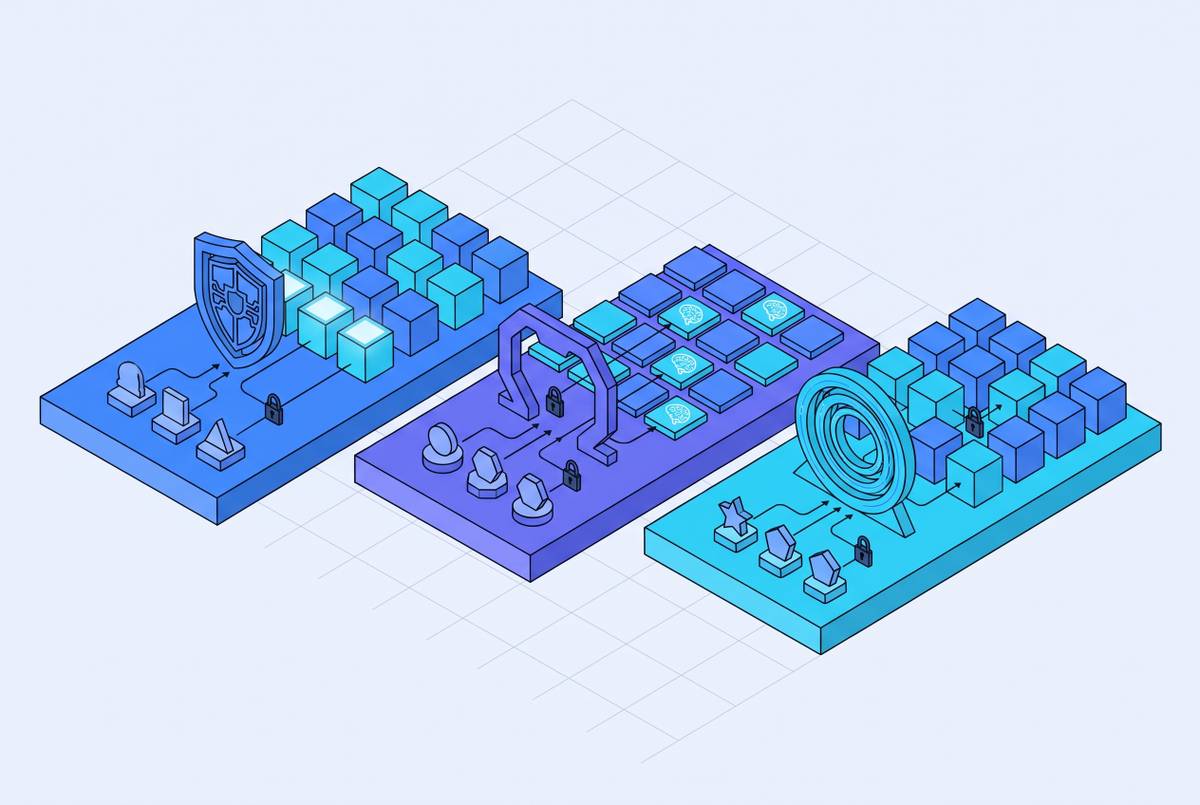
Cross-Unit AI Skill Publishing Platforms With Centralized Approval Workflows
Cross-unit AI sharing needs a registry and approval gates.
Julian Nystrom·
 Enterprise AI Governance
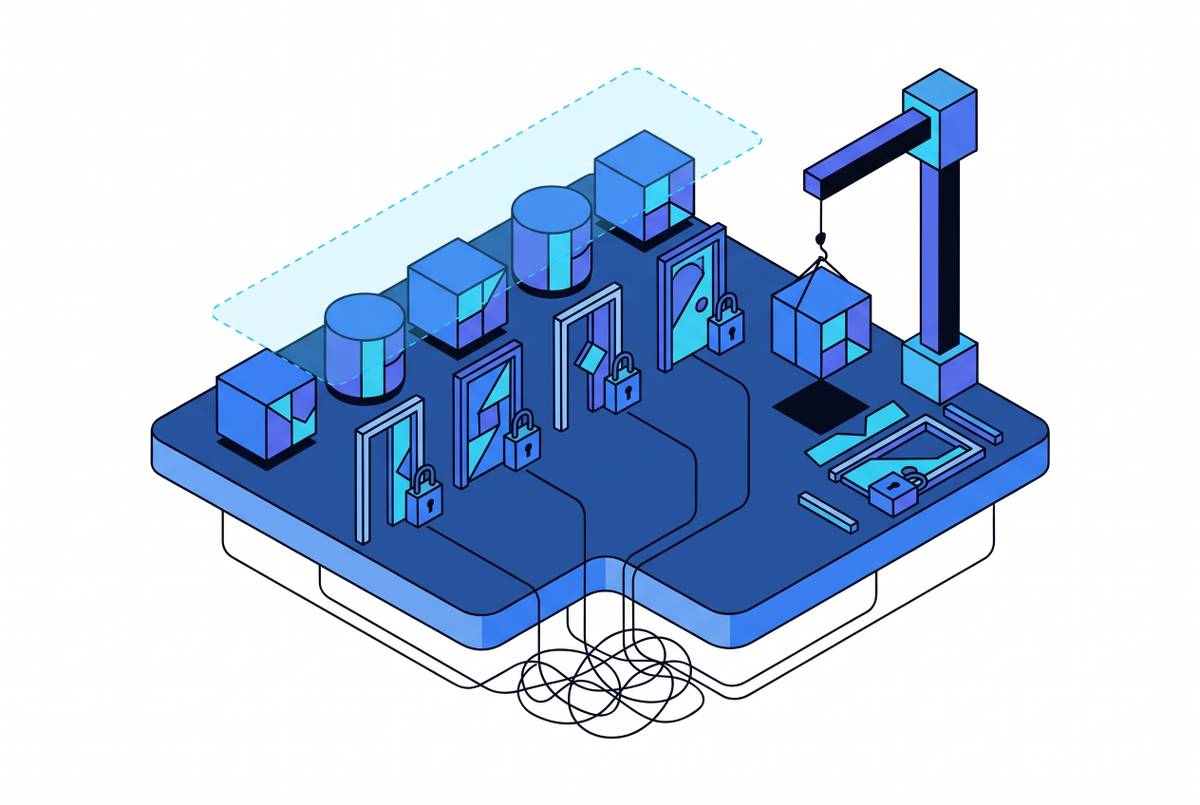
Enterprise AI Skill Catalogue Tools With Role-Based Access Control Compared
Compare four approaches on whether access controls hold at runtime.
Julian Nystrom·
 Enterprise AI Governance
Why Repeated Permission Redefinition After Every New AI Tool Addition Is a Governance Architecture Problem
Centralized identity and runtime enforcement prevent permission redefinition with each new AI tool.
Julian Nystrom·
 MCP Implementation Patterns
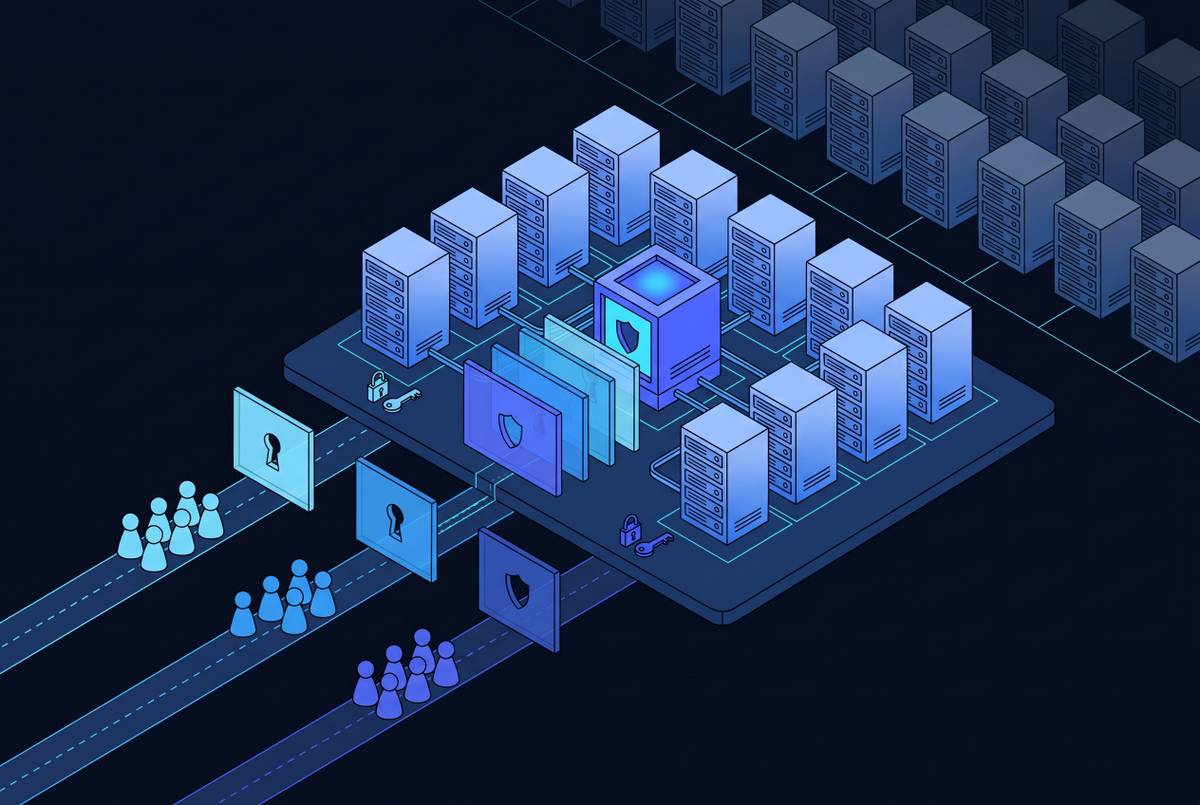
Role-Based Access Control in Enterprise MCP Server Deployments at Scale
Enterprise MCP needs tool-level permissions designed in, not bolted on later.
Julian Nystrom·
 Multi-Agent Orchestration
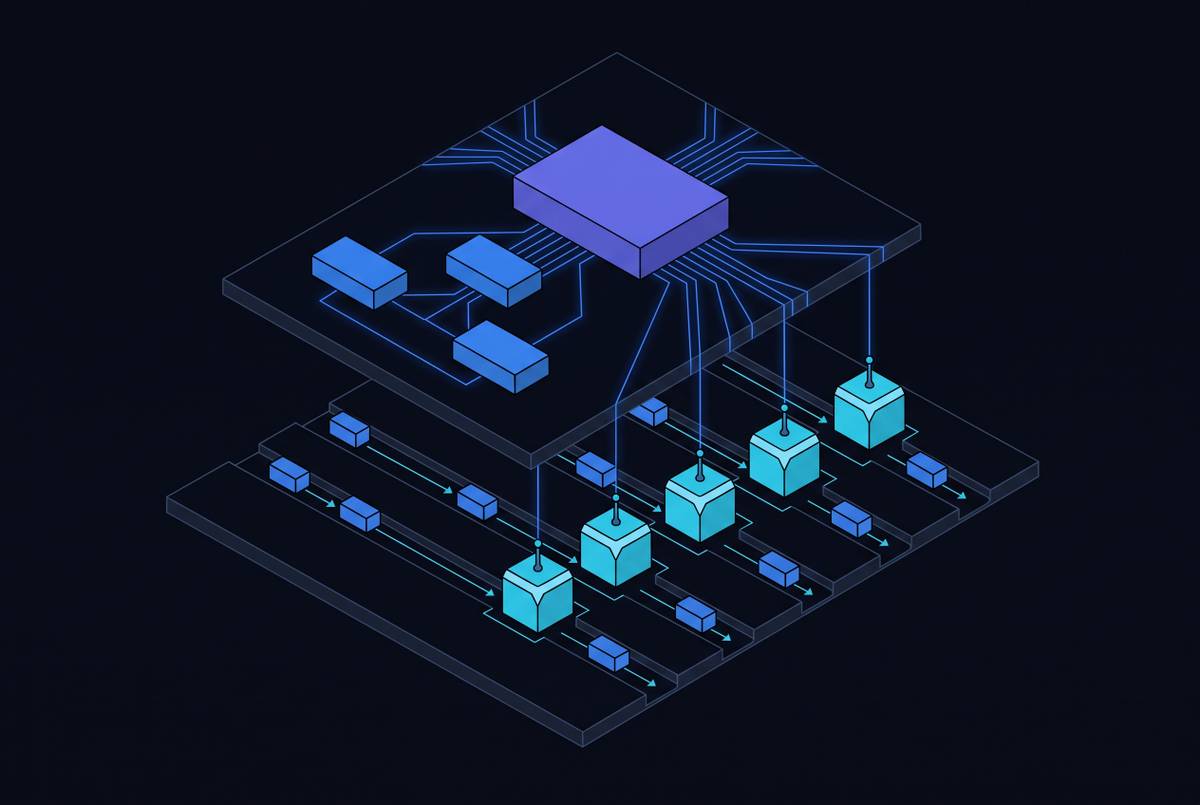
Control Plane vs. Data Plane Architecture in Multi-Agent AI Systems
Separating governance from execution lets enterprises scale multi-agent AI safely across teams.
Julian Nystrom·
 AI Coding Assistant Deployment
GitHub Copilot vs Cursor for Enterprise Engineering Teams
Four factors should drive your choice between these competing coding assistants.
Julian Nystrom·
 Prompt Engineering for Enterprise Systems
Evaluating Prompt Quality in Enterprise AI Without Ground Truth Labels
Business rubrics and LLM judges replace ground-truth labels for enterprise AI prompts.
Julian Nystrom·
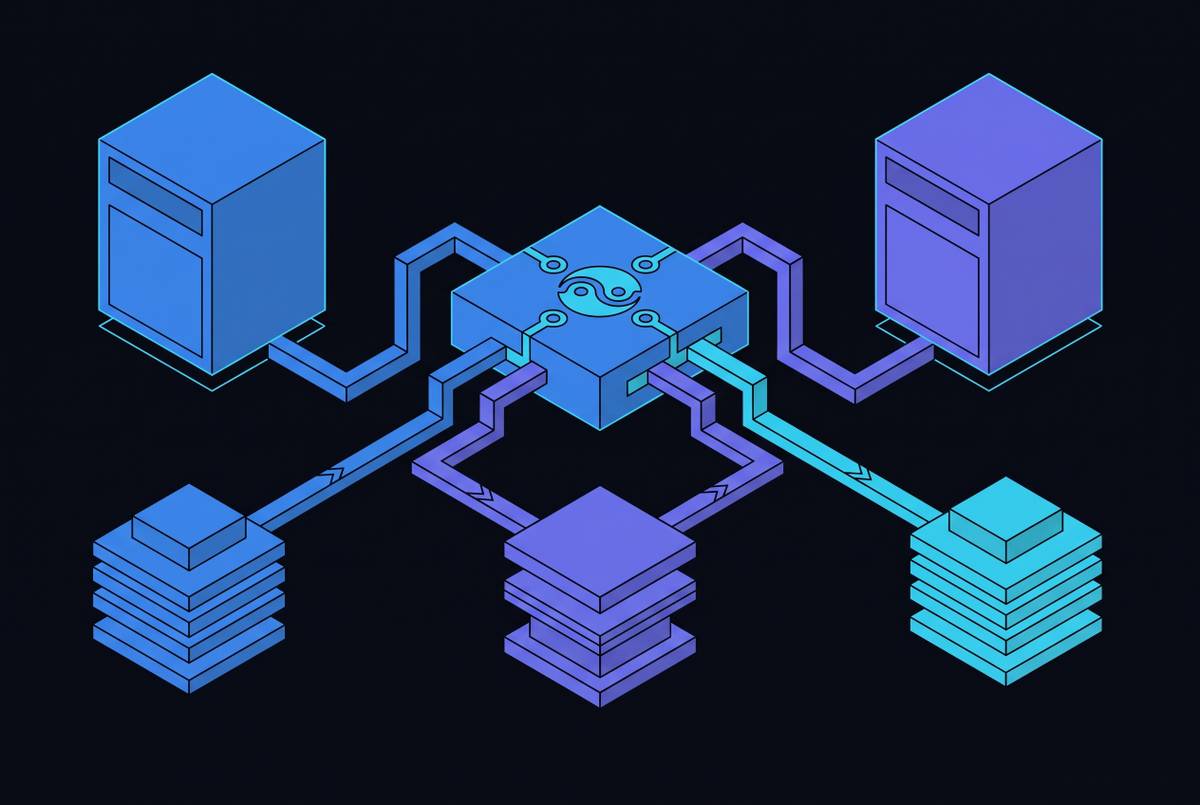 Multi-Agent Orchestration
A2A Protocol Integration With MCP in Enterprise Pipelines
MCP handles tool access; A2A coordinates agents across team boundaries.
Julian Nystrom·
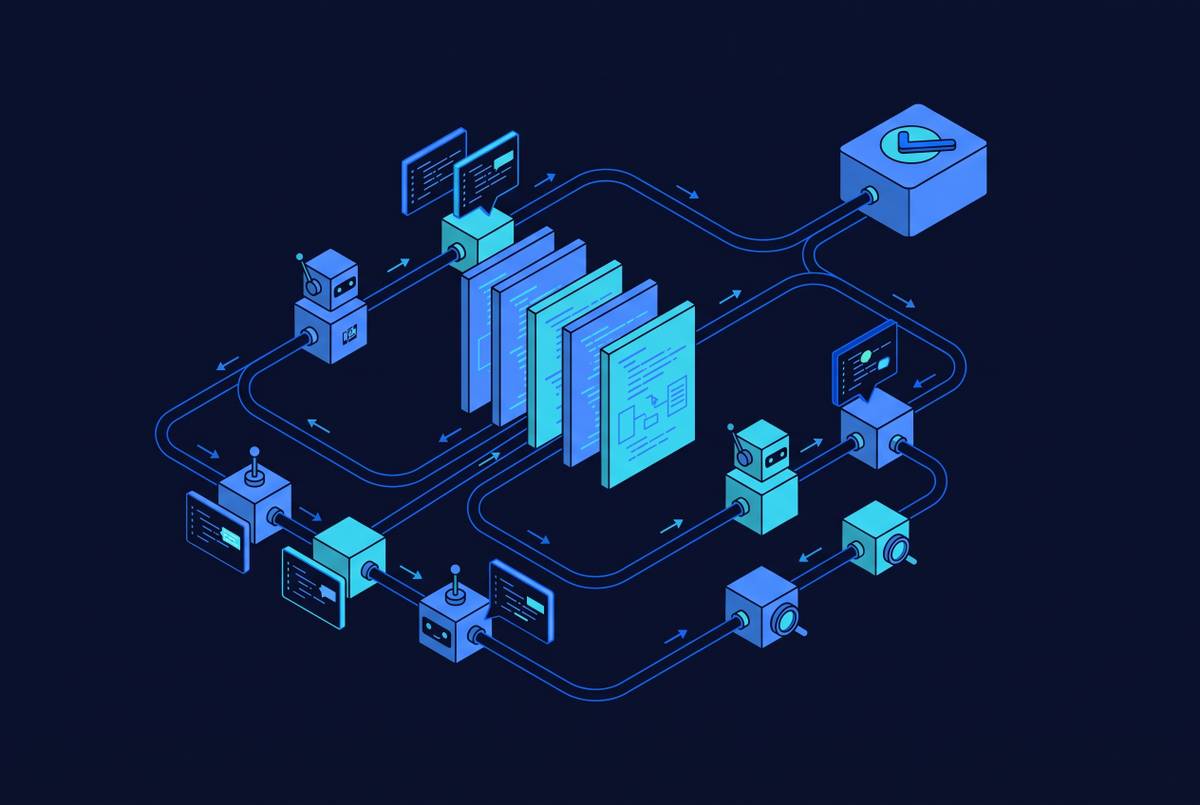 Agentic Workflow Patterns
Agentic Code Review Workflows for Engineering Teams
AI agents handle code's repetitive work while humans focus on intent and judgment.
Julian Nystrom·
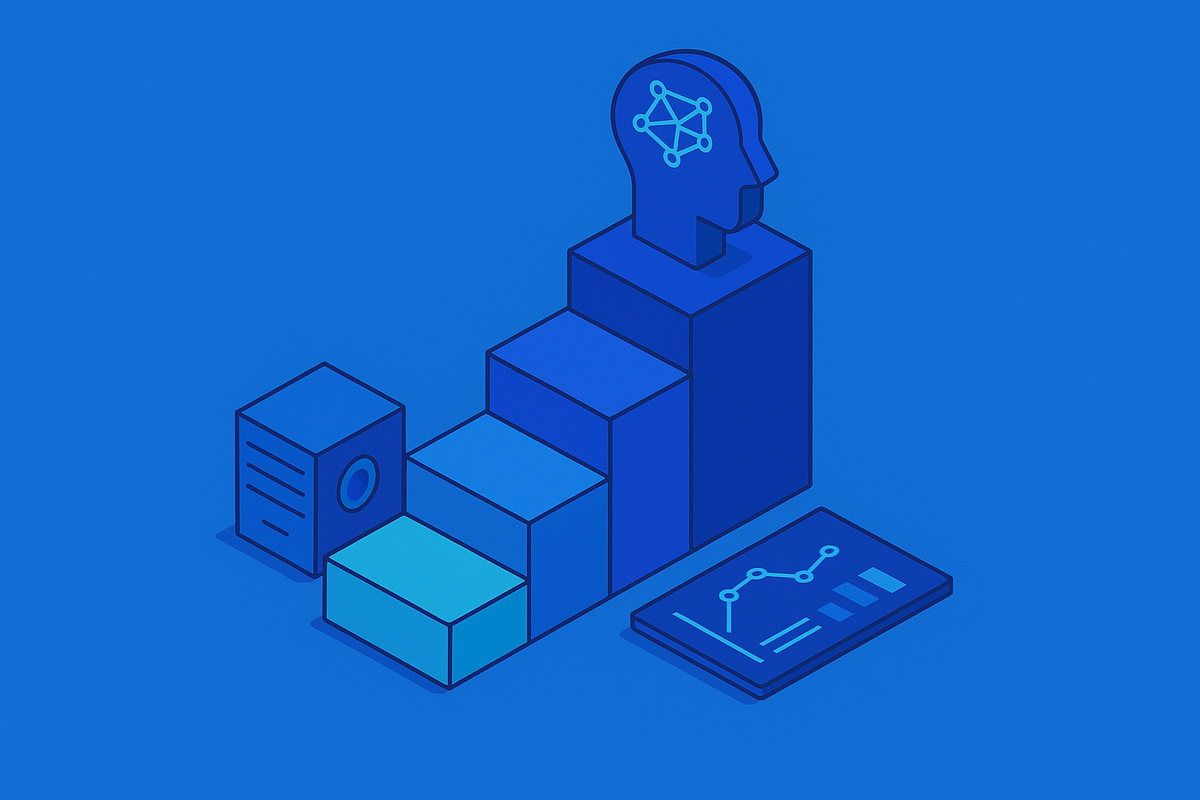 AI Center of Excellence
AI Maturity Model for Enterprise Adoption Stages
Real AI value requires redesigned workflows, not bolted-on tools.
Julian Nystrom·
 Enterprise AI Governance
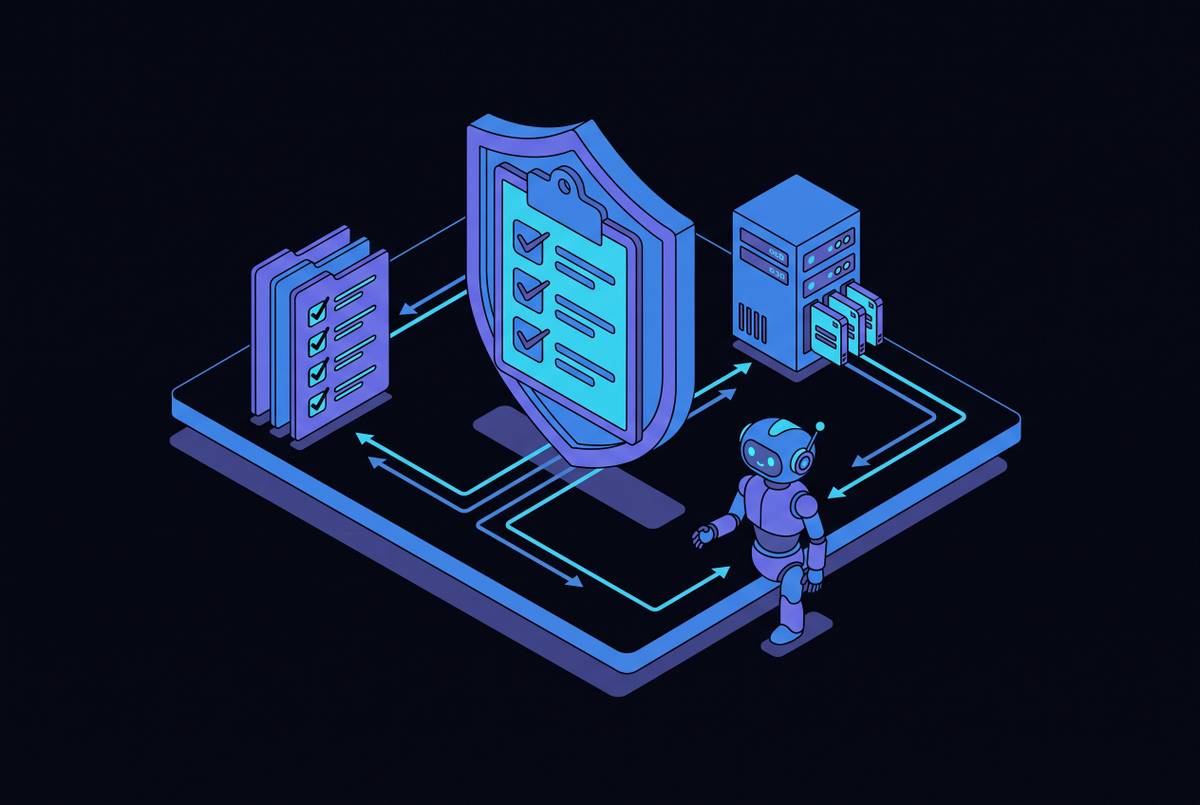
SOC 2 Audit Requirements for Enterprise AI Agent Deployments
Enterprises now demand SOC 2 compliance before deploying AI agents into production.
Julian Nystrom·
 Features
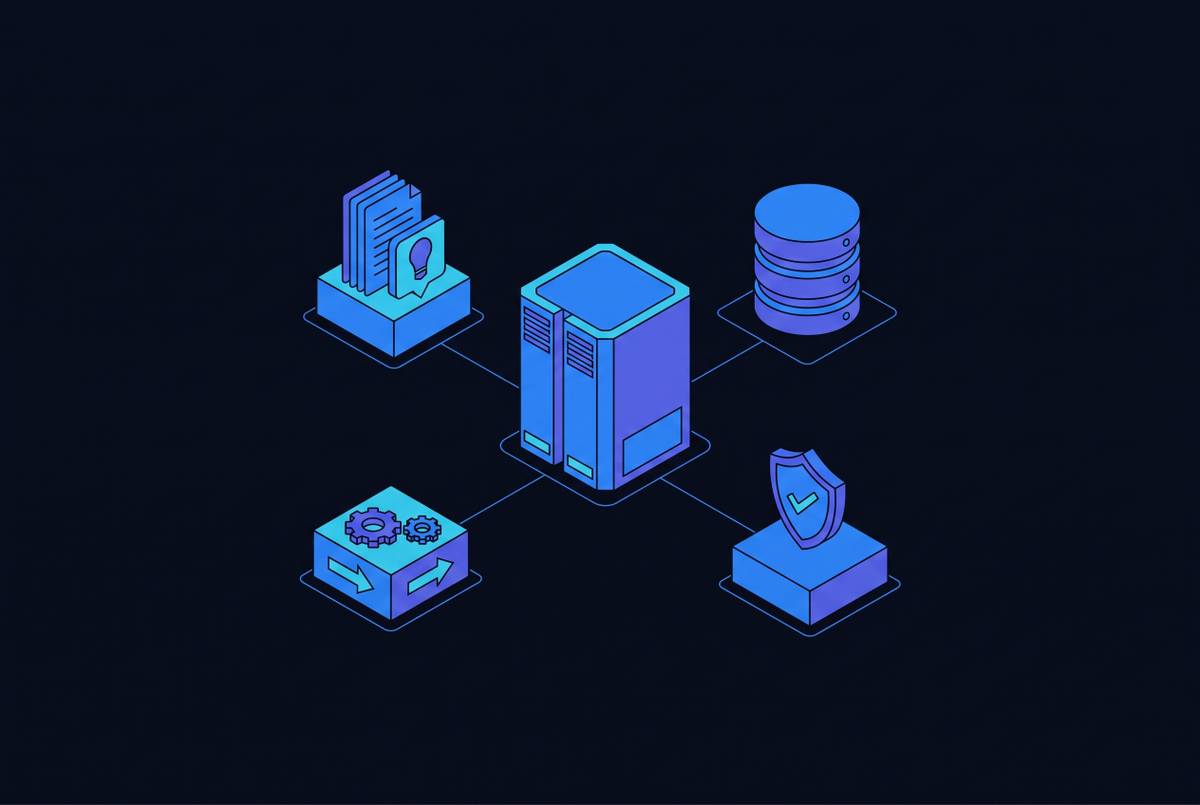
MCP Server Examples for Common Enterprise Use Cases
MCP turns fragmented business systems into a single connection layer for AI agents.
Julian Nystrom·
 AI Productivity & ROI
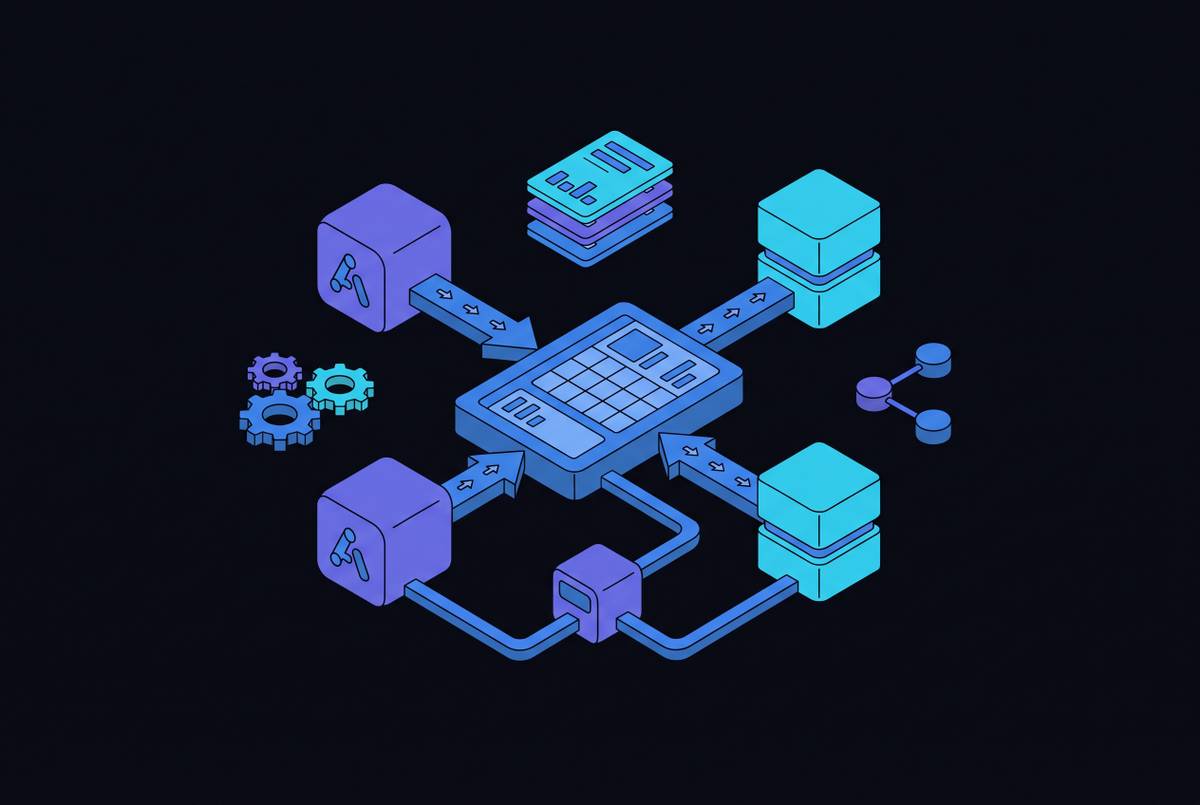
AI Agent Workflows for Revenue Operations Teams
Agents automate revenue workflows but need unified data access to avoid costly integration delays.
Julian Nystrom·
 AI Productivity & ROI
Measuring Prompt Duplication as an AI Program Cost Driver
Duplicate prompts hidden across your organization are quietly doubling your AI inference bill.
Julian Nystrom·
 Multi-Agent Orchestration
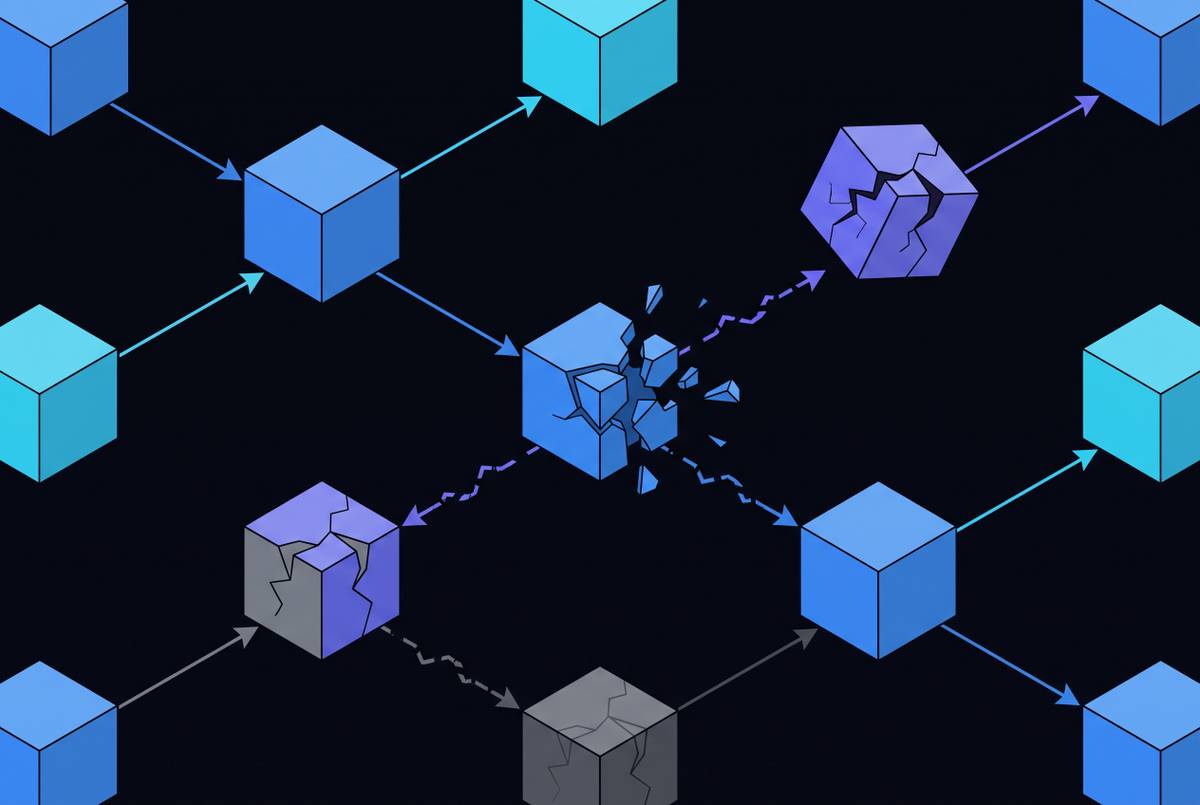
Failure Modes and Cascading Errors in Multi-Agent Systems
One bad agent output masquerades as data and corrupts the entire chain.
Julian Nystrom·
 Multi-Agent Orchestration
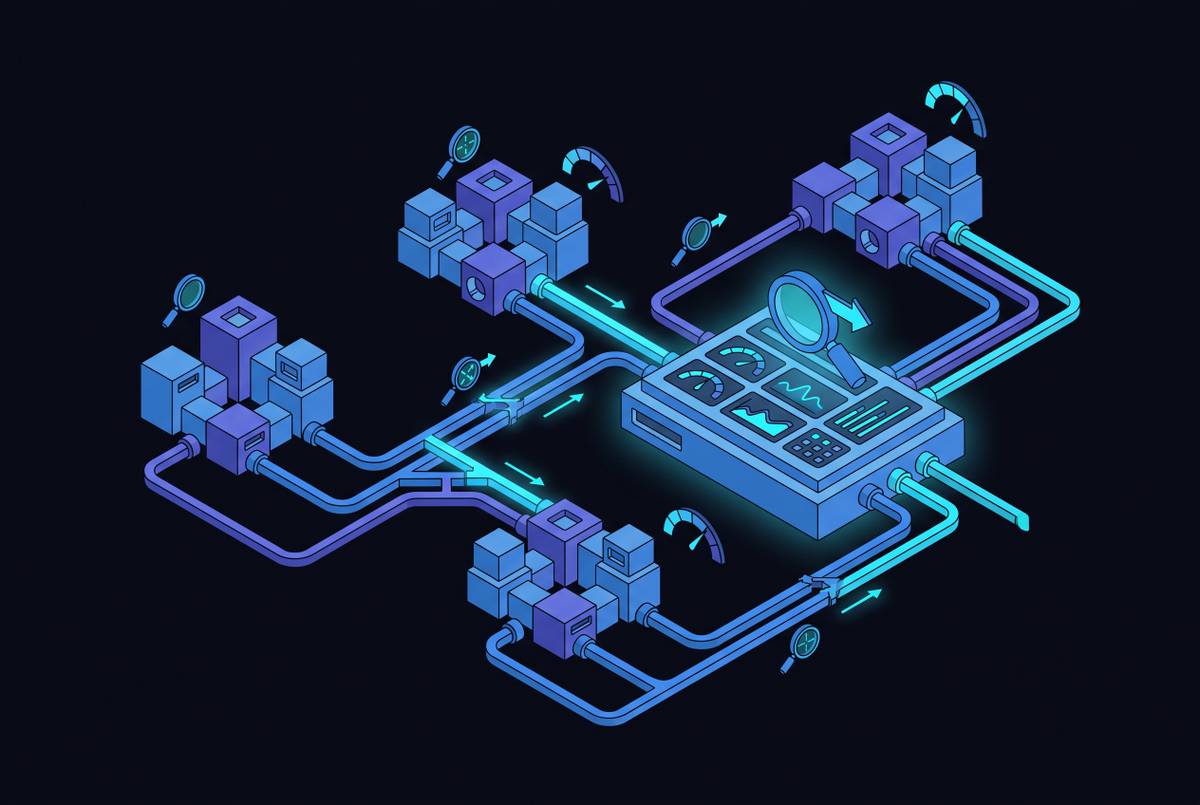
Observability and Debugging in Multi-Agent Systems
MCP's standardized protocol layer reveals what multi-agent systems actually do.
Julian Nystrom·
 Enterprise AI Governance
Agent registry and tool catalog solutions for enterprise AI governance
How companies track and control which AI agents can access which tools.
Julian Nystrom·
 Enterprise AI Governance
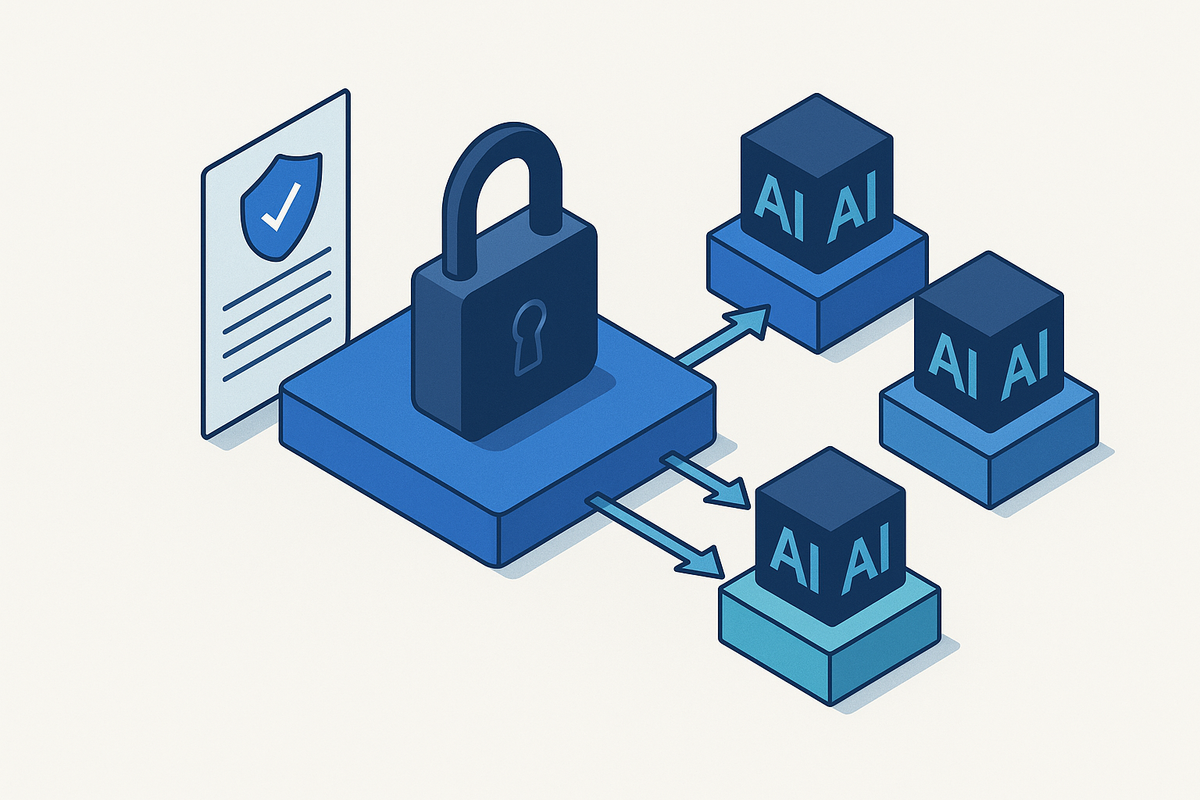
platforms for enforcing data permissions across multi-model AI deployments
Enterprises deploying AI agents need infrastructure, not policies, to control data access.
Julian Nystrom·
 Enterprise AI Governance
enterprise MCP server providers with built-in governance controls
Enterprise adoption of MCP is outpacing governance capabilities, creating real security risks.
Julian Nystrom·
 Enterprise AI Governance
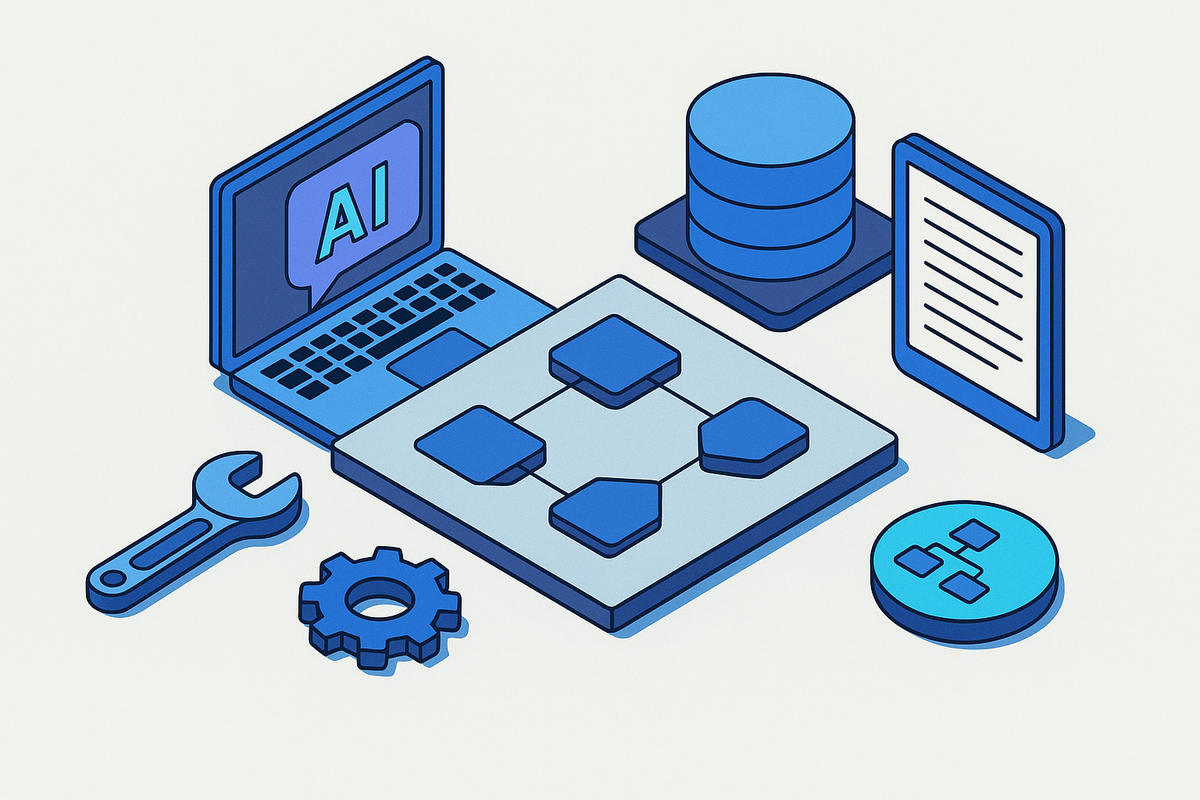
tools for encoding business context into governed AI queries across enterprise data sources
MCP replaces custom connectors with a standard way to govern AI access to enterprise data.
Julian Nystrom·
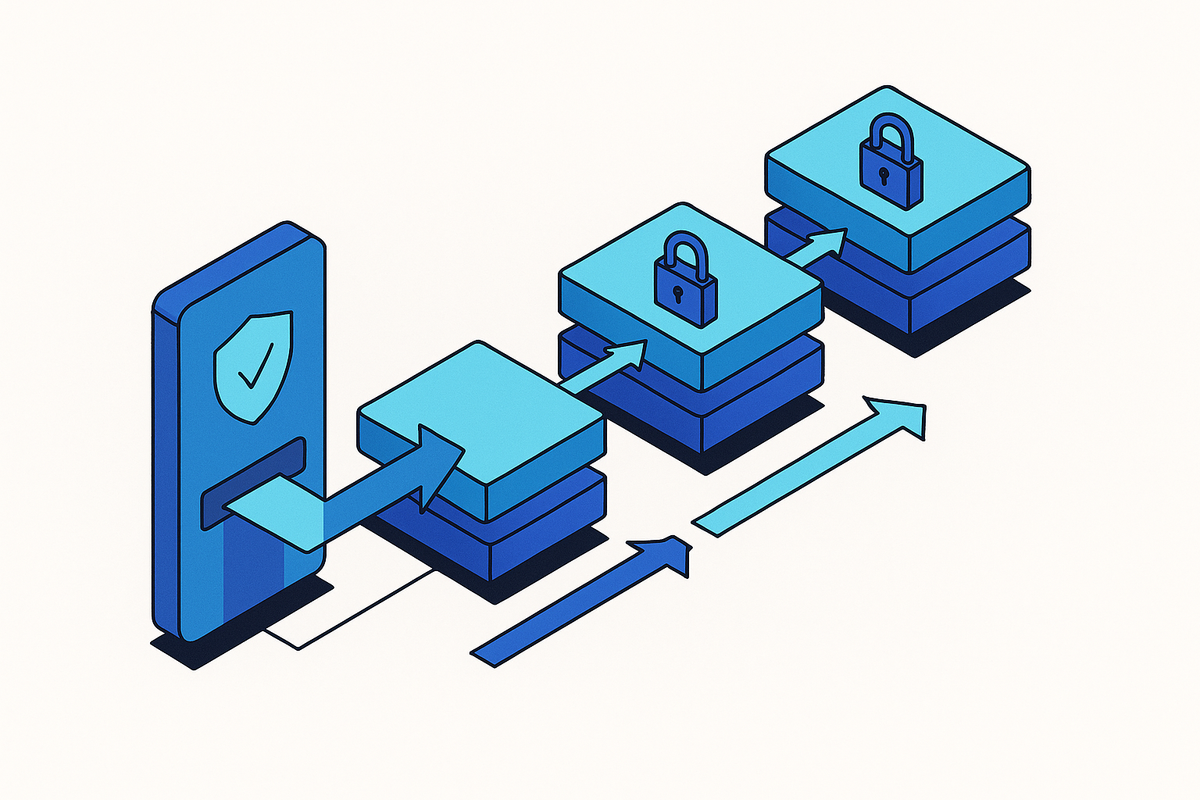 Multi-Agent Orchestration
Access Control Propagation Across Multi-Agent Pipelines
Where permission leaks cascade through agent chains, breaking security at every hop.
Julian Nystrom·
 Multi-Agent Orchestration
Benchmarking Multi-Agent System Performance in Enterprise Settings
Enterprise AI pilots fail because benchmarks measure accuracy instead of cost, reliability.
Julian Nystrom·
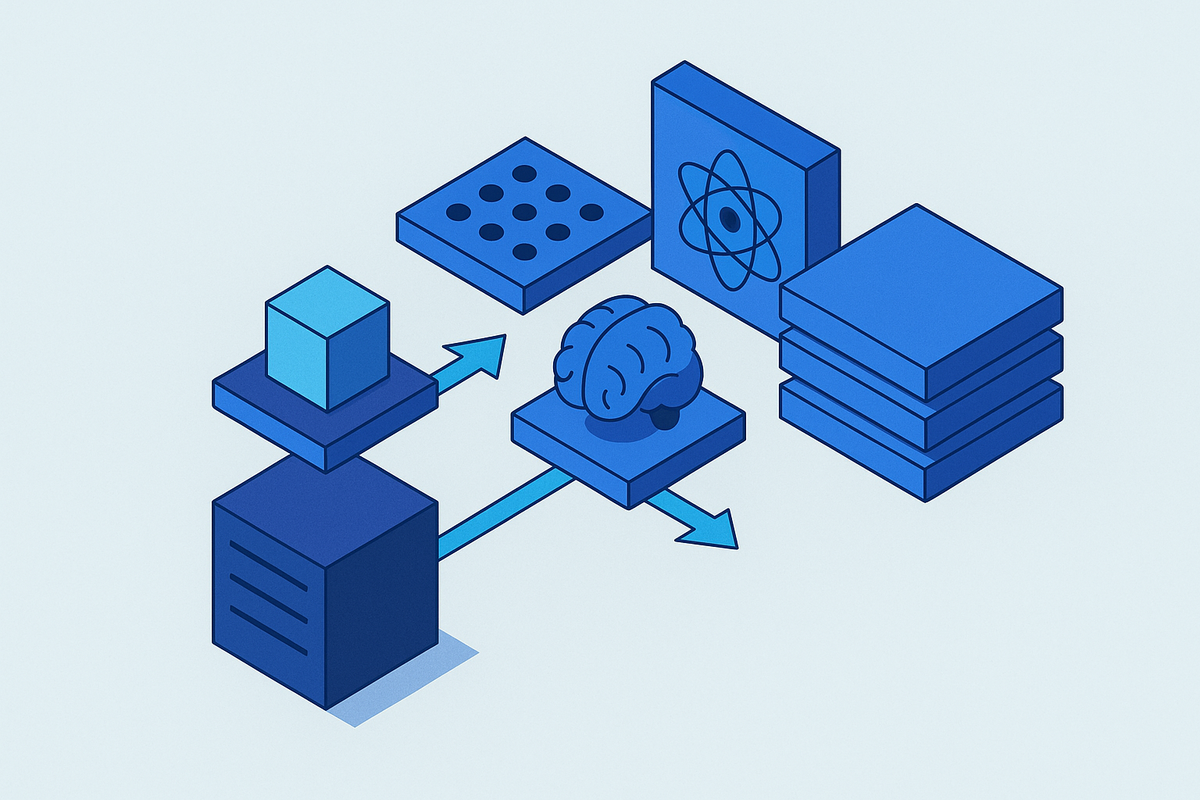 Multi-Agent Orchestration
Workflow Orchestration Patterns for Enterprise AI Pipelines
How to build AI pipelines that actually work in production, not just in demos.
Julian Nystrom·
 Knowledge Management
Institutional Knowledge Capture Before Employee Turnover
Capture the expertise employees take when they leave.
Julian Nystrom·
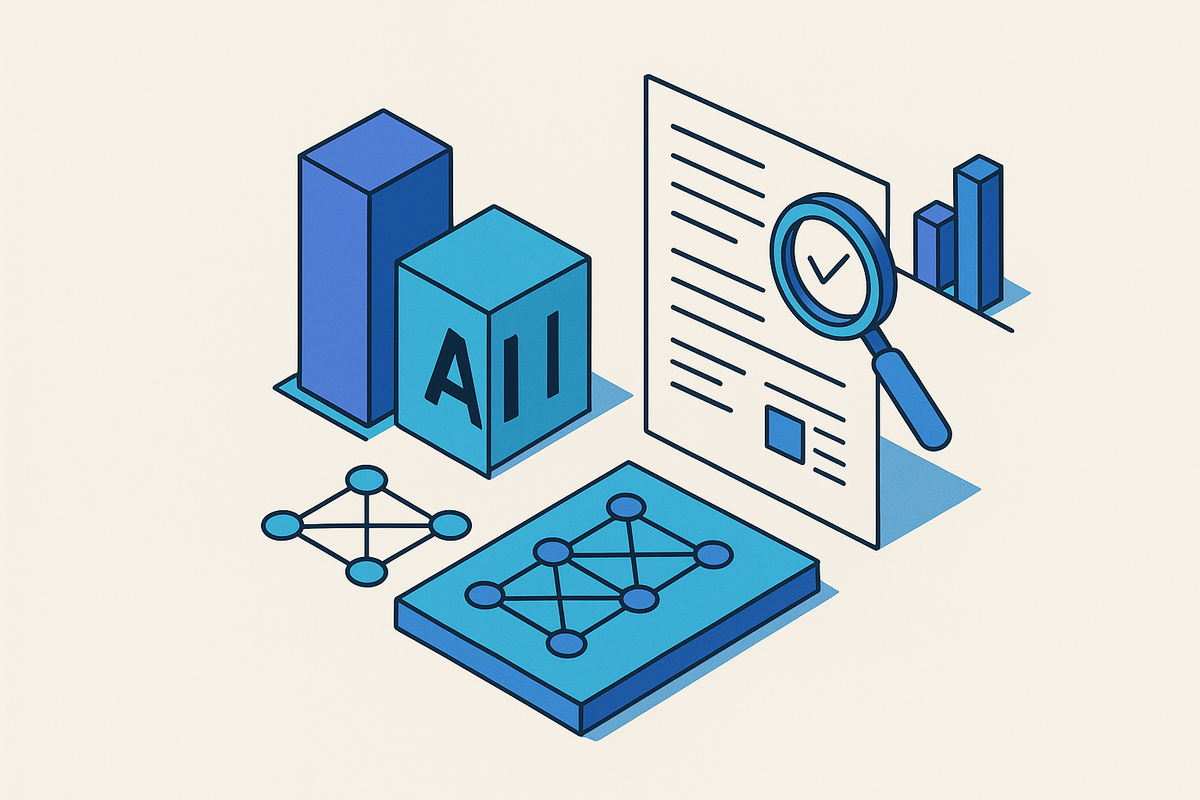 Enterprise AI Governance
Auditability and Explainability Requirements for Enterprise AI
Organizations confuse model explainability with system auditability and pay dearly for it.
Julian Nystrom·
 Enterprise AI Governance
Shadow AI Risk in Large Organizations
Most workers use unapproved AI tools, exposing sensitive data beyond company control.
Julian Nystrom·
 Enterprise AI Governance
Governed AI Registries for Shared Agent Skills
Registries enforce access control and audit trails that shared drives cannot provide.
Julian Nystrom·
 Enterprise AI Governance
Permission Inheritance in Enterprise AI Systems
AI agents need to inherit enterprise permissions instead of bypassing them entirely.
Julian Nystrom·
 Multi-Agent Orchestration
Orchestrator and Subagent Role Design in Multi-Agent Systems
Misaligned handoffs between orchestrators and subagents cause most production failures.
Julian Nystrom·
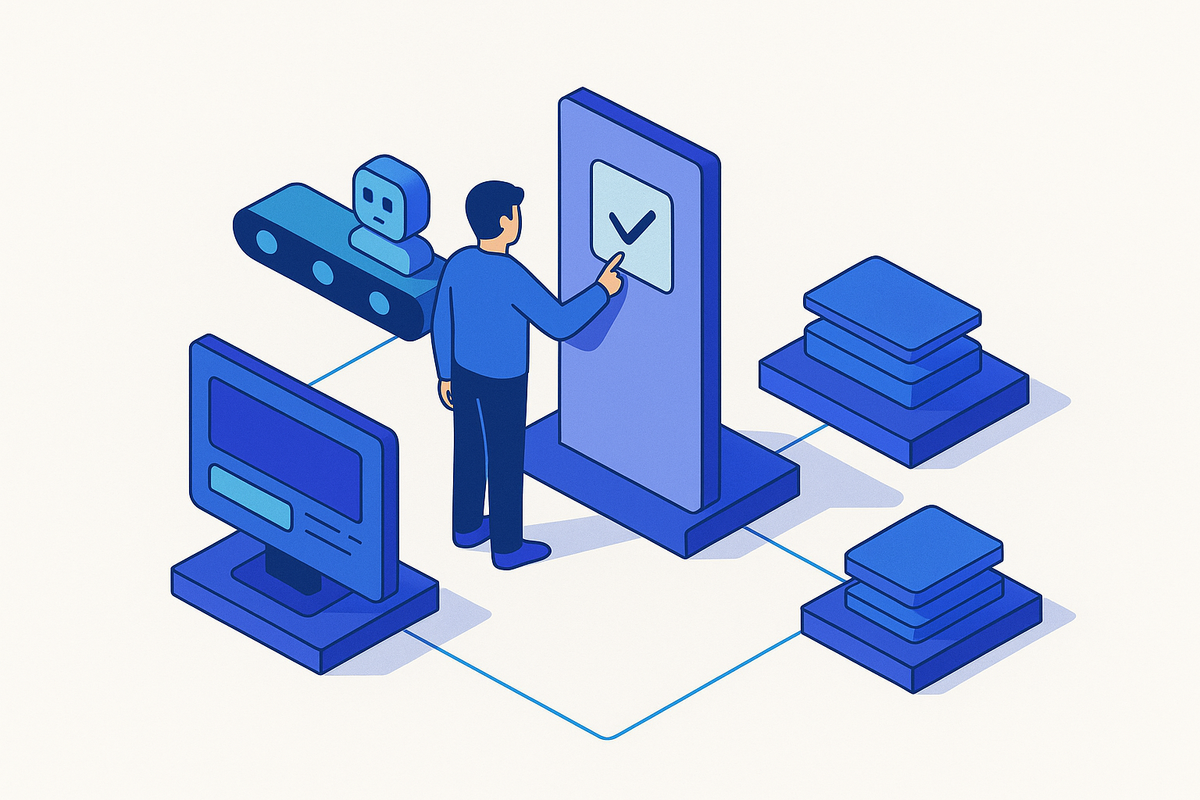 Multi-Agent Orchestration
Human-in-the-Loop Checkpoints in Automated Agent Pipelines
Strategic placement of human oversight stops agent failures before they cause irreversible damage.
Julian Nystrom·
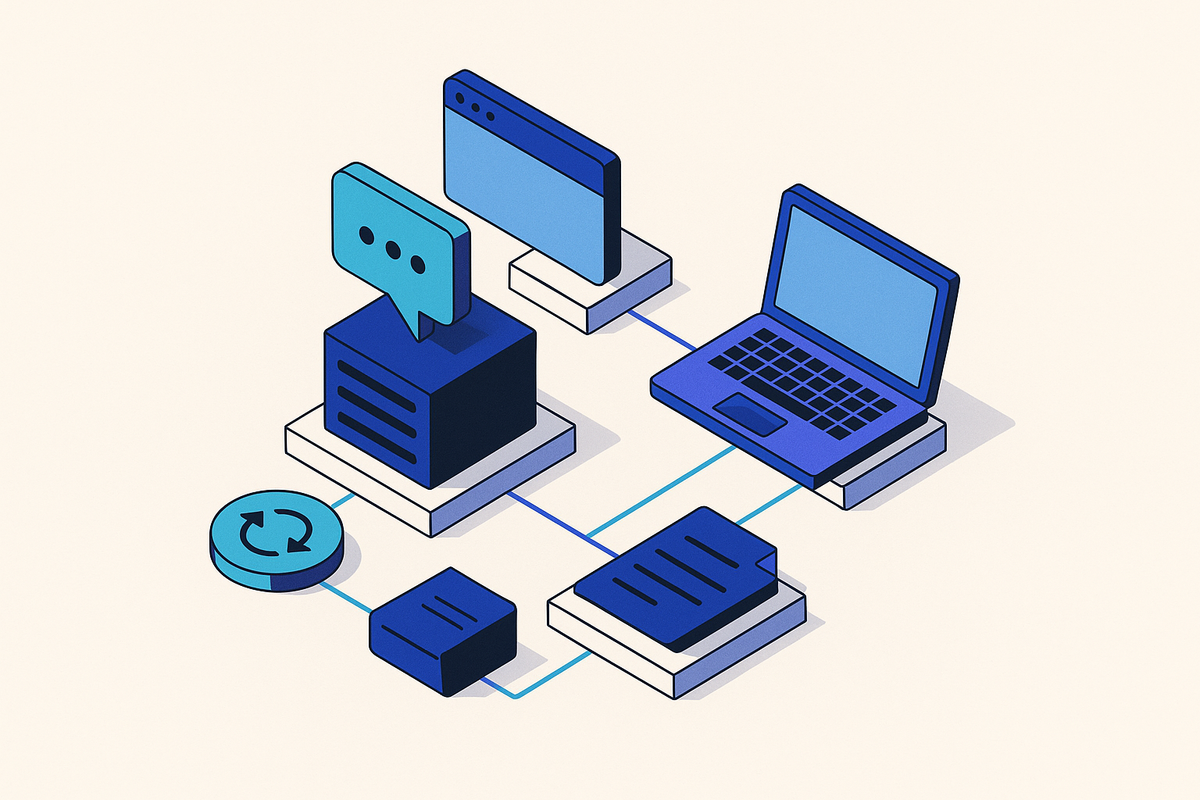 Multi-Agent Orchestration
Inter-Agent Communication Protocols and Standards
Standardized protocols let isolated agents coordinate at enterprise scale without custom code.
Julian Nystrom·
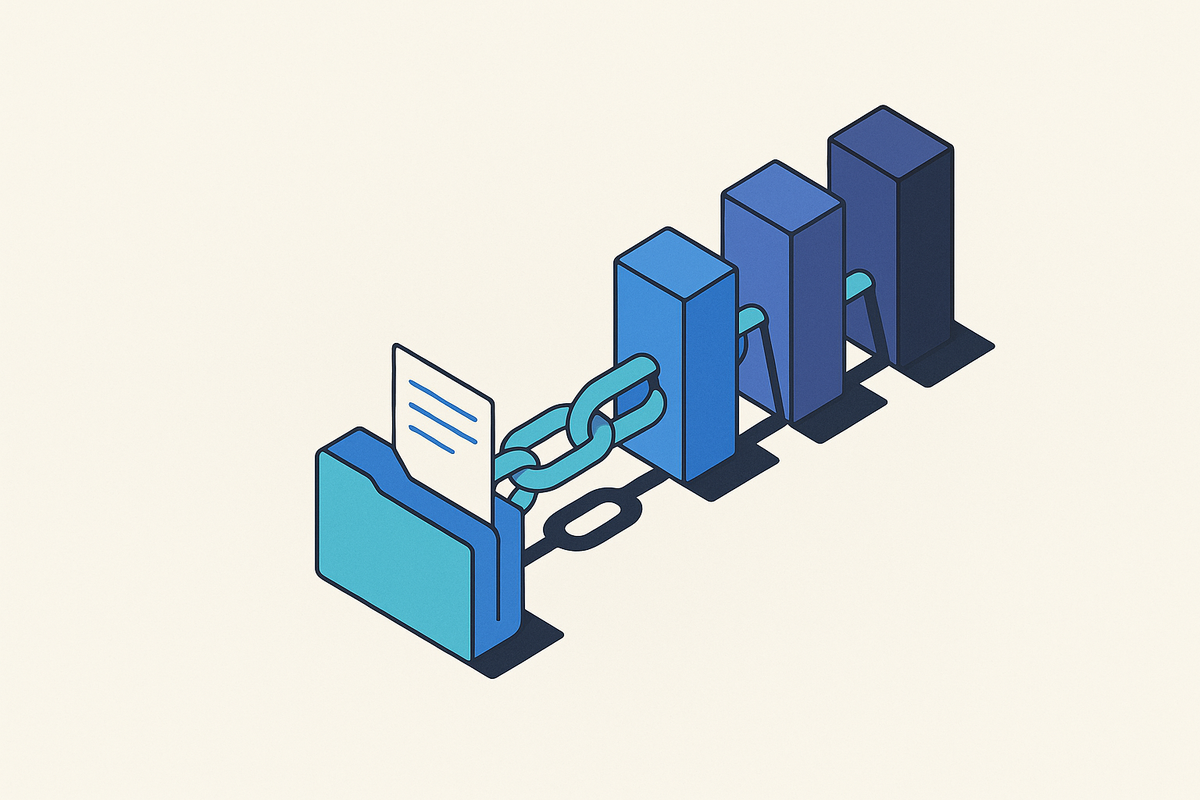 Multi-Agent Orchestration
Chaining Specialized Agents for Complex Enterprise Workflows
Specializing agents by task and chaining them boosts enterprise workflow accuracy and scale.
Julian Nystrom·