Role-Scoped Prompt Access Without Governance Sprawl
Enterprises can now control which agents access which tools through role-scoped permissions.
Clara Bianchi
19 stories
Enterprises can now control which agents access which tools through role-scoped permissions.
Secure agent pipelines by verifying user identity and permissions at every handoff, not just login.
Governance and data boundaries matter more than speed in regulated coding.
A charter must define shared infrastructure, not just decision rights and committees.
Enterprise teams must govern AI access to Slack the way they govern infrastructure, not features.
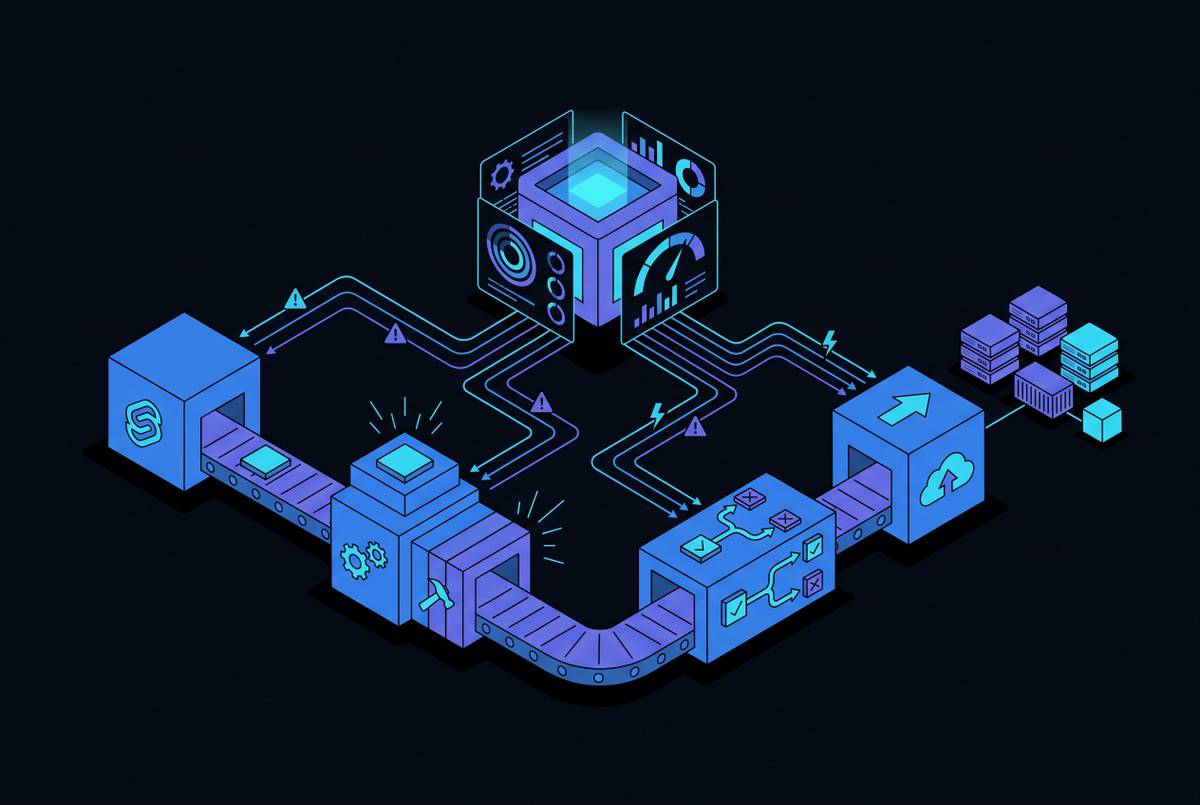
Enterprises must monitor AI agents' permissions and audit trails in CI/CD pipelines.
Marketplaces alone won't solve your integration problem—governance and context do.
Knowledge graphs turn scattered company data into measurable AI returns instead of abandoned pilots.
Model Context Protocol standardizes AI integrations and simplifies permission enforcement.
Expert knowledge lives in context, exceptions, and reasoning most documents never capture.
Workers resist AI not from obstinacy but from unresolved questions about trust and governance.
In-house builds hide massive data and talent costs; platforms bury compute surprises.
Six agentic coding tools compared on deployment, cost, and governance requirements for enterprises.
Start with IT and finance to build governance foundations that accelerate later deployments.
AI agents cut new-hire ramp time in half by retrieving institutional knowledge instantly.
Most AI adoption metrics measure activity, not the business impact that actually matters.
Pilot ROI misses the real savings that emerge when AI scales across teams.
Shared AI skills libraries cut duplicate rebuilding costs by 30 to 60 percent across organizations.
AI speeds up novice workers but can degrade expert output through invisible failure modes.